
What is Lymphoedema?
Lymphoedema (pronounced lim-fo-dee-ma) is a long-term condition that occurs when the lymphatic system is unable to drain fluid effectively. This can lead to a build-up of fluid in the tissues, causing swelling, heaviness, tightness and discomfort.
Lymphoedema can affect people of any age and can occur in different parts of the body, although it is commonly seen in the arms and legs.
It is estimated that almost 450,000 people in the UK are living with lymphoedema, yet it remains a condition that is not always well understood or recognised.
Lymphoedema
and chronic oedema:
You may also hear the term chronic oedema, particularly when talking about swelling in the lower limbs. Chronic oedema simply means swelling that has persisted for three months or longer.
Persistence
When swelling becomes persistent, it can be an indication that the lymphatic system is struggling to perform its normal drainage function. This is why ongoing swelling should not simply be accepted as something you have to live with. It is important that the underlying cause is properly assessed and that appropriate support and treatment are considered.
Lifestyle
Living with ongoing swelling can be frustrating, uncomfortable and sometimes upsetting. From my own experience of working with people with lymphatic conditions, I understand how important it is to feel listened to, understood and treated with compassion.
With ongoing conservative treatments, such as movement, compression and MLD, the oedema should lesson making life more comfortable.
Why does MLD help?
MLD is about much more than the physical treatment. I understand that living with swelling, heaviness and discomfort can affect how you feel in your own body. My approach is gentle, patient and compassionate, giving you time to relax while supporting your lymphatic system.
MLD can be used as part of a wider lymphoedema management plan, alongside other approaches. It isn't a cure for lymphoedema, but for many people it can be a valuable part of managing their symptoms and caring for their lymphatic health.
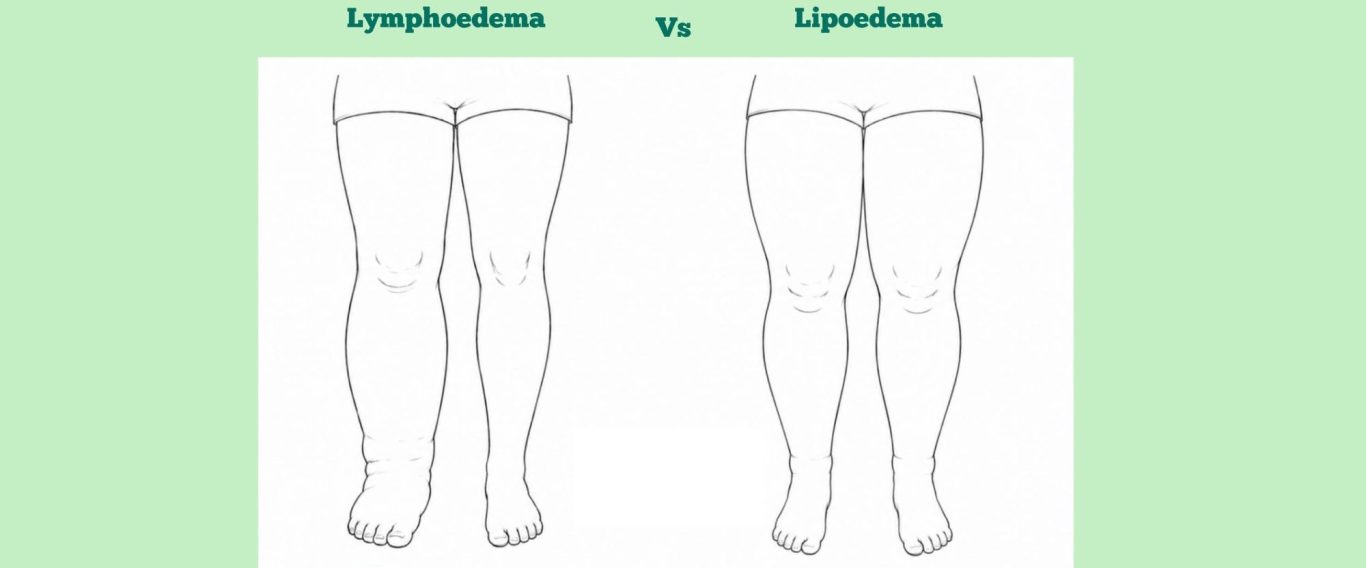
So what's the difference?
Lymphoedema vs Lipoedema… what’s the difference? Another question I get asked a lot.
They may sound similar, but lymphoedema and lipoedema are two completely different conditions. Understanding the difference can help you recognise what your body may be experiencing and seek the right support.
LYMPHOEDEMA happens when the lymphatic system isn’t working effectively, causing a build-up of lymph fluid in the tissues.
It can affect one or both sides of the body and commonly causes swelling in an arm or leg. The swelling may involve the feet or hands and can sometimes improve with movement, elevation or compression.
LIPOEDEMA is a condition involving an abnormal distribution and accumulation of fatty tissue, most commonly affecting the legs and sometimes the arms.
It usually affects both sides symmetrically, while the feet and hands are typically spared. People with lipoedema may also experience tenderness, heaviness and easy bruising.
One important difference -
Lymphoedema is primarily a problem with fluid and lymphatic drainage, whereas lipoedema involves abnormal fatty tissue.
It’s also possible to have both conditions at the same time; this is sometimes called lipo-lymphoedema.
If you’re experiencing unexplained swelling, heaviness, pain or changes in the shape of your limbs, it’s worth speaking to a healthcare professional for an appropriate assessment.